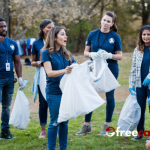
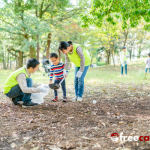
In the United States, a nation of immense agricultural wealth, the persistence of hunger remains a paradox. As of 2026, millions of Americans live in “food deserts”—areas where access to fresh, affordable, and nutritious food is nearly non-existent. Addressing Food Insecurity is not just a charitable mission; it is a critical pillar of social equity and public health that Freecause LLC monitors as part of our commitment to community welfare.
The Root Causes of Food Deserts
Food insecurity in urban areas like Albuquerque or rural communities across the Southwest is often tied to systemic issues. Lack of transportation, stagnant wages, and the absence of full-service grocery stores create a cycle of poor nutrition. To break this cycle, Local Community Organizing has become essential. Neighborhood coalitions are now partnering with local farmers to create direct-to-consumer pipelines that bypass traditional retail barriers.
The Rise of Urban Agriculture
One of the most promising solutions involves the repurposing of vacant urban lots into productive community gardens. These projects serve a dual purpose: they provide fresh produce and act as centers for Digital Literacy training, where residents learn to use apps for crop sharing and resource management. By integrating Sustainable Living practices—such as rainwater harvesting and composting—these gardens reduce the carbon footprint of the local food system.
Technology and Hunger Relief
In 2026, technology is a force multiplier for non-profits. Data analytics allow organizations to predict where food shortages will occur based on economic trends. This enables a “Rapid Response” model where surplus food from grocery stores is redirected to those in need before it spoils. However, for these tech-driven solutions to be sustainable, we must advocate for Corporate Social Responsibility from major food retailers.
Advocacy as a Long-term Solution
While food pantries are necessary, they are a temporary fix. Long-term success requires citizens to Communicate with Local Representatives about expanding the SNAP program and incentivizing grocery stores to open in underserved areas. Through Youth Advocacy, a new generation is pushing for “Food Justice,” ensuring that the right to nutrition is recognized as a fundamental human right. At Freecause, we believe that by combining Impact Investing with grassroots action, we can build a future where no child goes to bed hungry.