Explore how modern community centers in the US are evolving into hubs for innovation, sustainability, and digital literacy. A 2026 guide for civic life.
Modern American cities are undergoing a quiet but profound transformation. As our daily interactions become increasingly digitized, the physical spaces where we gather are being forced to adapt. The traditional community center, once characterized by local sports leagues or simple town hall meetings, has reinvented itself as a multi-functional hub for innovation, wellness, and social resilience. Our Editorial Team has analyzed these shifts to understand how these centers are becoming the cornerstone of urban stability in 2026.
Key Takeaways
- Multifunctional Design: Modern centers now integrate co-working spaces, high-tech labs, and health clinics.
- Economic Stimulus: These hubs support local neighborhood economies by hosting small business incubators.
- Eco-Friendly Infrastructure: New constructions prioritize Clean Energy and sustainable architectural standards.
- Digital Inclusion: Community centers are critical access points for high-speed internet and Digital Literacy training.
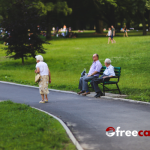
- Intergenerational Connection: Strategic programming helps reduce social isolation across all age groups.
Beyond the Gymnasium: The New Architecture of Civic Life
For decades, the standard American community center was defined by a dusty gymnasium or a sterile multipurpose room. However, a new model is emerging across the United States. Today’s centers are designed with “flex-space” architecture, allowing a single building to serve multiple diverse needs simultaneously. A modern facility might host a senior nutrition program in the morning, a professional coding bootcamp in the afternoon, and a Local Community Organizing workshop in the evening.
In our view, this shift is driven by the urgent need for “Civic Infrastructure.” As traditional “third places”—like shopping malls or local parks—face various challenges, community centers are stepping in to fill the void, providing a safe, non-commercial environment for residents to build meaningful connections.
The Economic Impact on Local Neighborhoods
It is a common misconception to view community centers solely as social services. In 2026, they have evolved into significant economic engines. Many modern facilities in the U.S. now incorporate “Micro-Incubators”—low-cost office spaces where local entrepreneurs can launch their ventures without the overhead of a traditional commercial lease.
By providing access to essential tools such as 3D printers, fiber-optic internet, and professional meeting rooms, these centers lower the barrier to entry for innovators. Our analysis shows that neighborhoods with active, modern community hubs experience more stable local commercial growth.
| Feature | Traditional Center (Pre-2020) | Modern Urban Hub (2026) |
| Primary Goal | Recreation & Childcare | Innovation, Wellness & Growth |
| Connectivity | Basic Wi-Fi (if any) | Fiber Optic / 6G Ready |
| Energy Profile | Standard Grid | Clean Energy / Solar Integrated |
| Business Support | Limited/None | Co-working & Startup Incubators |
| Health Access | Basic First Aid | Telehealth & Mental Health Suites |
Sustainability as a Foundation for Resilience
As environmental concerns become more localized, the construction of new community centers has become a primary showcase for Sustainable Living. Architects are increasingly utilizing “passive cooling” techniques, high-efficiency insulation, and solar arrays. These features ensure that these buildings can operate as “Resilience Hubs” during extreme weather events or power outages.
When a city invests in a LEED-certified facility, it demonstrates a commitment to Corporate Social Responsibility at the municipal level. According to data from the U.S. Green Building Council (USGBC), sustainable community centers not only reduce long-term operational costs for taxpayers but also foster a greater sense of civic pride among residents.
Bridging the Digital Divide in 2026
Perhaps the most critical function of a modern community center is the promotion of Digital Literacy. While broadband access is often discussed as a national goal, millions of Americans still face significant barriers to the digital world. These centers act as the front line in the fight for digital equity, offering free access to high-end hardware and specialized training.
These programs often facilitate a unique form of Youth Advocacy, where tech-savvy students earn community service hours by mentoring older residents. This helps seniors navigate the complexities of the modern web, from accessing government services to protecting their information under current Data Privacy Laws.
How to Engagement with Your Local Community Hub
Our redaction recommends a proactive approach to utilizing these local resources. Most facilities are governed by boards that are required to hold public meetings and solicit constituent feedback.
- Verify Local Listings: Check USA.gov to locate the parks and recreation department responsible for your area.
- Review the Program Calendar: Look for innovative offerings such as Sustainable Community Gardens or Public Art workshops.
- Offer Your Expertise: Many centers look for professionals to lead Digital Mentorship sessions or business workshops.
FAQ: Frequently Asked Questions
Q1: Is there a fee to use modern community centers?
While general entry to the facility is often free for residents, specific programs like specialized fitness classes or vocational workshops may require a nominal fee to cover materials and instruction.
Q2: Can I use community center spaces for business meetings?
Yes. Most 2026 urban hubs offer reservable meeting rooms equipped with modern audiovisual technology, making them an excellent low-cost alternative to private co-working spaces.
Q3: How do community centers support public health?
Many now partner with local hospitals to offer “Wellness Pods,” providing everything from flu shots to confidential telehealth booths for mental health consultations.
Q4: Are these centers involved in local environmental efforts?
Frequently. Many centers serve as the headquarters for local recycling initiatives or as the primary site for Sustainable Community Gardens.
Q5: How can I find a center that focuses on technology?
Look for facilities labeled as “Innovation Centers” or those that list “Maker Spaces” and “Digital Labs” in their amenity descriptions on municipal websites.
Conclusion: An Editorial Perspective
The evolution of the American community center reflects a broader societal shift toward collective resilience and value-based living. These buildings are no longer merely “nice to have” amenities; they are essential infrastructure for the 21st century. At Freecause, our editorial perspective is that the success of a city in 2026 is directly tied to the health of its communal spaces.
Investing time in these hubs is a form of Impact Investing that yields dividends in social cohesion, economic opportunity, and environmental sustainability. Whether you are an entrepreneur looking for a desk or a resident seeking a connection, your local community center remains the best place to engage with the heartbeat of your neighborhood.