Explore the growing benefits of Community-Supported Agriculture (CSA) in 2026. Learn how local food systems improve nutrition, support farmers, and protect the environment.
In the rapidly evolving landscape of 2026, the distance between the farm and the dinner table is shrinking. As global supply chains face increasing pressures from climate volatility, Community-Supported Agriculture (CSA) has emerged as a gold standard for food security and environmental stewardship. A CSA is a socio-economic model where consumers buy “shares” of a farm’s harvest in advance, providing farmers with immediate capital and consumers with a weekly bounty of fresh, seasonal produce. Our editorial team has analyzed how this model is revitalizing local economies and promoting a deeper commitment to Sustainable Living.
Key Takeaways
- Financial Stability: CSAs provide farmers with upfront capital to cover seeds, equipment, and labor costs.
- Nutritional Density: Produce is harvested at peak ripeness and delivered within 24–48 hours.
- Environmental Protection: Reduced food miles significantly lower the carbon footprint of your diet.
- Biodiversity: Local farms often grow heirloom varieties not found in traditional supermarkets.
- Social Connection: Members gain a direct relationship with the land and the people who grow their food.
How the CSA Model Works in 2026
The core of the CSA model is “shared risk and shared reward.” By paying for a season’s worth of produce at the beginning of the year, members help the farmer manage the inherent uncertainties of agriculture. In a bumper crop year, the boxes are overflowing; in a challenging year, the community stands with the farmer.
According to the USDA Local Food Directories, the number of registered CSAs in the United States has seen a steady increase as more families prioritize transparency in their food sources. This direct-to-consumer model bypasses the “middleman,” ensuring that a higher percentage of every dollar spent stays within the local economy, a key principle of Supporting Local Businesses.
Environmental Stewardship and Food Miles
One of the most compelling reasons to join a CSA is the reduction of “food miles”—the distance food travels from the field to your plate. The average grocery store vegetable in the U.S. travels over 1,500 miles. In contrast, CSA produce typically travels less than 50 miles. This reduction in transportation is a powerful application of Environmental Policy at the individual level.
Furthermore, most CSA farms utilize regenerative practices such as cover cropping, integrated pest management, and Water Conservation Strategies. By supporting these farms, members are effectively voting for a more sustainable and resilient agricultural system. This is a clear example of Impact Investing through your weekly grocery budget.
| Feature | Industrial Supermarket Produce | CSA Farm Produce |
| Travel Distance | ~1,500 miles | ~50 miles |
| Harvest Time | Picked green for transport | Picked at peak ripeness |
| Variety | Limited (transport-hardy) | High (heirlooms & seasonal) |
| Economic Impact | Profits leave the community | Profits stay with local farmers |
| Sustainability | High chemical input (usually) | Regenerative & organic focus |
The Social and Educational Value
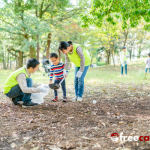
Beyond the vegetables, CSAs offer immense social value. Many farms host “Member Days,” where families can visit the fields, participate in harvests, or attend workshops on Sustainable Living. This hands-on experience is vital for Youth Advocacy, as it teaches children where their food comes from and the importance of environmental stewardship.
For many, the weekly pickup at a local community center or Local Libraries as Digital Hubs becomes a social event. It fosters the kind of “Third Place” interaction that is essential for Local Community Organizing and social cohesion.
Addressing Food Insecurity and Equity
In 2026, the CSA movement is becoming more inclusive. Many farms now offer “Sliding Scale” memberships or accept SNAP/EBT benefits to ensure that high-quality nutrition is not a luxury. This approach is a direct contribution to Social Justice, ensuring that the benefits of local, organic food are accessible to all income levels.
Some organizations even run “Community-Funded Shares,” where wealthier members can donate extra funds to provide free or subsidized boxes for neighbors in need. This is a beautiful manifestation of Corporate Social Responsibility applied at the community level.
Digital Integration: The High-Tech CSA
While the work is done in the soil, the management of a 2026 CSA often relies on advanced Digital Literacy. Modern farms use apps to manage harvest schedules, provide members with recipes for “mystery” vegetables, and track the environmental impact of the farm.
Members can often use these platforms to customize their boxes or “swap” items they won’t use. This blend of ancient agricultural wisdom and modern technology is exactly what defines the Future of STEM Education in practical, real-world applications.
FAQ: Frequently Asked Questions
Q1: What happens if I can’t finish all the vegetables in my box?
Most CSAs provide tips on food preservation, such as freezing, fermenting, or drying. You can also share with a neighbor, which is a great way to start Local Community Organizing.
Q2: Is a CSA more expensive than the grocery store?
When comparing “organic to organic,” a CSA is often cheaper because it eliminates the costs of packaging, long-distance transport, and retail markup.
Q3: Can I choose exactly what goes into my box?
While some “market-style” CSAs allow for customization, the traditional model involves receiving whatever is ready for harvest that week. This encourages you to try new, seasonal vegetables.
Q4: Do CSAs only offer vegetables?
Many modern CSAs have expanded to include “add-on” shares for eggs, honey, bread, flowers, and even locally roasted coffee from Supporting Local Businesses.
Q5: How do I find a CSA near me?
We recommend using the LocalHarvest.org directory, which is the most comprehensive database for CSAs and farmers’ markets in the U.S.
Conclusion: An Editorial Perspective
From our editorial perspective, Community-Supported Agriculture is more than a shopping choice; it is a commitment to a better future. It is a way to reclaim our food system from industrial anonymity and place it back into the hands of our neighbors.
We recommend that every household considers joining a CSA for at least one season. The benefits to your health, your community, and the planet are immediate and profound. By participating in a CSA, you are making a direct Impact Investing in the soil and the people who nourish us. In 2026, the most resilient communities are those that grow together.