Learn how to organize a high-impact neighborhood cleanup event in 2026. A practical guide to improving urban aesthetics and building community resilience.
Urban aesthetics are more than just a matter of visual appeal; they are a cornerstone of public safety and collective well-being. A clean neighborhood discourages neglect and fosters a sense of pride that serves as the foundation for any resilient society. Organizing a Neighborhood Cleanup Event is one of the most direct and effective ways to transform your local area. In our view, these events are the primary “entry point” for residents to begin engaging in broader civic life. Our editorial team has developed this guide to help you move from a simple idea to a successful initiative that engages residents, local businesses, and municipal authorities.
Key Takeaways
- Strategic Planning: Identify priority zones and secure necessary municipal permits.
- Digital Mobilization: Leverage social media and neighborhood apps for volunteer recruitment.
- Local Partnerships: Collaborate with local hardware stores or cafes for material sponsorships.
- Safety First: Provide proper protective gear and a clear waste disposal logistics plan.
- Civic Bonding: Strengthen ties between neighbors through shared physical action.
Planning and Permissions: The Foundation
The first step toward a successful event is logistics. It is not enough to simply gather with trash bags; coordination with municipal authorities is vital. Most American cities in 2026 offer “Cleanup Kits” and can arrange for the immediate pickup of collected waste if the event is registered through the proper channels.
According to our research, the ideal time for a Neighborhood Cleanup Event is a Saturday morning during the spring or fall when the weather is mild and participation rates are statistically higher. Mapping the intervention area is essential to avoid hazardous zones or private property without prior consent, effectively integrating these efforts with your Local Community Organizing strategies.
Logistics and Essential Supplies
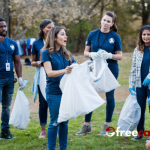
A cleanup event requires meticulous preparation of tools to ensure the safety of all participants, especially younger volunteers involved in Youth Advocacy programs. To maintain a professional standard, organizers should provide:
- Heavy-duty work gloves.
- Color-coded bags for waste separation (plastic, glass, landfill).
- Telescopic litter pickers (to avoid strain or contact with hazardous objects).
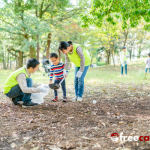
- High-visibility safety vests, particularly if working near traffic.
| Supply Item | Suggested Quantity (per 20 volunteers) | Estimated Source |
| Protective Gloves | 25 Pairs | Donation from local hardware store |
| Heavy Duty Bags | 5-6 Rolls | Local Sanitation Department |
| Litter Pickers | 10-15 Units | Community Tool Library or Rental |
| First Aid Kit | 2 Complete Kits | Local Pharmacy Sponsor |
| Water & Refreshments | For all participants | Supporting Local Businesses (Partnership) |
Digital Promotion and Recruitment
In 2026, mobilization happens online. To maximize turnout, we recommend creating a central digital event page. This allows for seamless registration and provides a platform for real-time safety updates. Utilizing Digital Literacy within your organizing team is crucial to reach diverse demographics through platforms like Nextdoor or localized Facebook groups.
Implementing techniques from Digital Grassroots Movements can help your event gain traction beyond your immediate street, potentially attracting local media attention or the attendance of city council members. Effective visual communication—perhaps featuring Public Art elements like posters designed by local students—can significantly increase your sign-up rate.
Sustainability and Waste Management
The goal is not just to clean, but to do so in an eco-friendly manner, following the principles of Sustainable Living. Ensure that volunteers are trained to distinguish between recyclable materials and actual landfill waste. Partnering with local recycling centers to ensure that collected scrap metal or plastics are actually processed is an excellent example of Environmental Policy applied at the neighborhood scale.
Many local corporations are now seeking opportunities to demonstrate their Corporate Social Responsibility. Asking them to cover the cost of supplies or to provide trucks for waste transport can create long-term partnerships that extend well beyond a single afternoon of cleaning.
Event Day: Management and Safety
On the day of the event, a brief safety induction is mandatory. Clearly explain how to handle “special waste” like electronics or hazardous materials. In this context, teaching participants about workplace safety and environmental impact is a valuable form of civic education.
After the collection is complete, it is vital to celebrate the results. A small post-cleanup picnic or gathering doesn’t just reward the volunteers; it builds the groundwork for future Volunteering and Mental Health initiatives, proving that collective action can be both productive and socially fulfilling.
FAQ: Frequently Asked Questions
Q1: Do we need insurance to host a neighborhood cleanup?
Many municipalities extend their liability coverage to registered volunteer events. Alternatively, we recommend having participants sign a standard “Volunteer Waiver” form.
Q2: How should we handle hazardous waste like needles or chemicals?
Never touch these items. Organizers should have a designated “Sharps Container” or contact the local sanitation department for professional removal immediately.
Q3: Can we involve local schools for credit?
Absolutely. Most high schools recognize community service hours for Youth Advocacy and urban beautification projects.
Q4: What if it rains on the scheduled day?
Always publicize a “Rain Date” (usually the following Sunday) in your initial digital outreach to ensure volunteer retention.
Q5: How do we keep the area clean after the event?
Success depends on consistent Local Community Organizing. Use the momentum to petition for more public trash bins or to launch a “Storefront Stewardship” program with local owners.
Conclusion: An Editorial Perspective
In our view, a Neighborhood Cleanup Event is much more than a maintenance task; it is a catalyst for social change. When residents reclaim their shared spaces, crime rates often decrease and property values tend to stabilize or grow.
We believe the true power of these initiatives lies in making the “invisible” care of the residents visible. It is a form of non-financial Impact Investing that yields immediate returns in quality of life. Our redaction recommends documenting the transformation with “before and after” photos to inspire other districts to follow your lead.