Explore the profound psychological benefits of urban green spaces in 2026. Learn how city parks and gardens improve mental health and foster social equity.
In the high-intensity environment of the 2026 American city, mental health has become a central pillar of public policy. As urban populations grow, the “concrete jungle” effect—characterized by noise, pollution, and a lack of natural scenery—has been linked to rising rates of anxiety and burnout. However, a powerful solution lies in our city planning: the Psychological Benefits of Urban Green Spaces. Our editorial team has examined the latest neurological and sociological research to understand why “green equity” is one of the most pressing Social Justice issues of our time.
Key Takeaways
- Cortisol Reduction: Spending just 20 minutes in a park significantly lowers stress hormones.
- Cognitive Restoration: Nature helps the brain recover from “attention fatigue” caused by digital screens.
- Social Cohesion: Green spaces provide neutral ground for Local Community Organizing and social bonding.
- Equity Gap: Lower-income neighborhoods often have less access to high-quality parks, impacting overall community health.
- Therapeutic Design: Modern “healing gardens” are being integrated into hospitals and schools.
The Science of “Biophilia” in the City
Human beings have an innate biological connection to nature, a concept known as biophilia. In an urban setting, this connection is often severed, leading to what researchers call “nature deficit disorder.” The Psychological Benefits of Urban Green Spaces act as a corrective force. According to the American Psychological Association (APA), exposure to green environments improves creative problem-solving and emotional regulation.
For residents in high-density areas, a local park isn’t just a place to walk a dog; it is a “sensory sanctuary.” The visual fractals found in trees and the acoustic masking of wind through leaves provide a neurological break that man-made environments cannot replicate.
Green Equity as a Social Justice Priority
One of the starkest realities of 2026 is the “Green Divide.” Data from the Trust for Public Land shows a direct correlation between a neighborhood’s income level and the quality of its tree canopy. Residents in underserved areas often face higher temperatures and higher stress levels due to a lack of shaded public spaces.
We view the expansion of these spaces as an essential component of Social Justice. Providing equal access to the Psychological Benefits of Urban Green Spaces is a proactive way to address health disparities. When a city invests in a new park in a marginalized district, it is performing a high-yield Impact Investing that reduces future public expenditures on mental health services and chronic disease treatment.
Nature and the Digital Mind
As we lean further into Digital Literacy and remote work, our brains are constantly bombarded with “bottom-up” stimuli—pings, notifications, and blue light. This leads to directed-attention fatigue. Nature provides “soft fascination,” allowing our cognitive filters to rest and recharge.
Modern co-working spaces integrated into Local Libraries as Digital Hubs are now including “green zones” or outdoor terraces. This design philosophy recognizes that workers who have access to natural views are more productive and report higher job satisfaction. This is a clear manifestation of Corporate Social Responsibility in the modern workplace.
| Feature | Urban Grey Space (Concrete) | Urban Green Space (Parks) |
| Primary Stimuli | High-intensity / Artificial | Low-intensity / Natural |
| Stress Response | Elevated Cortisol | Lowered Heart Rate |
| Social Interaction | Transitory / Functional | Relaxed / Communal |
| Mental Effect | Attention Fatigue | Cognitive Restoration |
| Civic Use | Commercial / Transit | Local Community Organizing |
The Role of Community Gardens in Mental Wellness
While large parks are vital, smaller-scale Sustainable Community Gardens offer a unique psychological benefit: the “sense of agency.” The act of planting, nurturing, and harvesting food provides a powerful antidote to the feelings of helplessness that can accompany urban poverty.
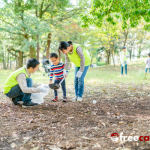
These gardens serve as the headquarters for Volunteering and Mental Health initiatives. Participants often report that the tactile experience of working the soil provides a grounding effect that digital therapy cannot match. Furthermore, these spaces become hubs for Youth Advocacy, where teenagers learn the value of patience and environmental stewardship.
Urban Planning for a Healthier Future
Forward-thinking cities are now adopting “Biophilic Urbanism” as a core Environmental Policy. This includes:
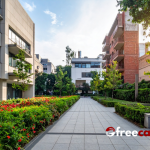
- Green Alleys: Transforming service roads into pedestrian-friendly garden paths.
- Pocket Parks: Utilizing vacant lots for small, high-impact relaxation zones.
- Vertical Forests: Integrating living walls into high-rise residential buildings to promote Sustainable Living.
By weaving nature into the very fabric of the city, we ensure that the Psychological Benefits of Urban Green Spaces are available to every citizen, regardless of their daily commute or work schedule.
FAQ: Frequently Asked Questions
Q1: How long do I need to stay in a park to feel the benefits?
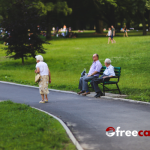
Research suggests the “20-minute rule.” Even a brief sit-on-a-bench during a lunch break can lower your heart rate and improve your mood for the rest of the afternoon.
Q2: Do “Virtual Nature” videos work as well as the real thing?
While digital nature (like high-def forest videos) can provide some relaxation, it lacks the multi-sensory benefits (smell, fresh air, sunlight) of being physically present in a green space.
Q3: Can public art in parks improve mental health?
Absolutely. The combination of Public Art and nature creates “cultural ecosystems” that stimulate the mind and foster a sense of community identity.
Q4: How can I help bring more green space to my neighborhood?
Start with Local Community Organizing. Engage with your city council and advocate for the repurposing of vacant city-owned lots into community-managed green zones.
Q5: Are there specific plants that are better for stress relief?
In the Southwest, native plants like lavender and sage provide olfactory benefits (aromatherapy) that enhance the psychological impact of the park.
Conclusion: An Editorial Perspective
The Psychological Benefits of Urban Green Spaces are not a “luxury” for the wealthy; they are a fundamental requirement for a healthy, functioning society. From our editorial perspective, the fight for green equity is a fight for the mental soul of our cities.
We recommend that every resident views their local park as an extension of their own healthcare system. By supporting Environmental Policy that prioritizes biodiversity and public access, we are performing an act of Social Justice that will benefit generations to come. In 2026, the most successful cities will be those that realize the shortest distance to mental clarity is a walk through the park.