Discover how public parks influence urban property values and community health in 2026. An editorial analysis of green spaces as essential civic infrastructure.
In the dense tapestry of the modern American city, public parks are often referred to as “urban lungs.” However, as we look at municipal development in 2026, it is clear that these green spaces provide far more than just fresh air. The Impact of Public Parks extends into the very economic and physical fabric of our neighborhoods. Our editorial team has analyzed recent data to show that proximity to a well-maintained park is one of the most significant predictors of both high property values and positive long-term health outcomes for residents.
Key Takeaways
- Economic Value: Homes near parks typically command a 5% to 20% price premium.
- Public Health: Access to green space is directly linked to lower rates of cardiovascular disease and stress.
- Environmental Services: Parks mitigate the “Urban Heat Island” effect and manage stormwater runoff.
- Social Capital: Green spaces act as the primary venue for Local Community Organizing and outdoor events.
- Equity: Ensuring all zip codes have access to quality parks is a central goal of modern Social Justice.
The “Proximate Principle”: Parks as Economic Drivers
Real estate experts have long recognized the “Proximate Principle,” which states that the market value of properties located near a park is higher than those further away. According to research published by the National Recreation and Park Association (NRPA), this uplift in value is not just a benefit for homeowners; it increases the local tax base, allowing cities to reinvest in further Environmental Policy initiatives.
For the average family, living within walking distance of a trail or playground is a form of passive Impact Investing. The park serves as an extended backyard, increasing the “livable square footage” of even the smallest urban apartments.
| Distance to Park | Average Property Value Increase | Primary Benefit for Owners |
| 0 – 500 Feet | 15% – 20% | Immediate access & unobstructed views |
| 500 – 1,000 Feet | 10% – 15% | High walkability & quiet atmosphere |
| 1,000 – 2,500 Feet | 5% – 10% | Neighborhood stability & recreation |
| Over 0.5 Miles | Minimal | General regional amenity access |
Public Health: The Medical Value of Green Space
Beyond the balance sheet, the biological impact of green spaces is profound. Access to nature is no longer seen as a luxury but as a medical necessity. The Centers for Disease Control and Prevention (CDC) highlights that parks provide the essential infrastructure for physical activity, which is crucial in combating the national obesity and diabetes epidemics.
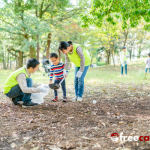
Furthermore, the connection between Volunteering and Mental Health is often forged in these spaces. Whether it is a Saturday morning yoga class or a Neighborhood Cleanup Event, parks provide the setting for social interactions that reduce the “loneliness epidemic” currently affecting urban populations. Our analysis suggests that a city’s mental health expenses are significantly lower in districts with high park-to-resident ratios.
Environmental Resilience and Urban Cooling
As summer temperatures in the Southwest and other regions continue to break records, parks serve as vital “Cooling Centers.” Through a process called evapotranspiration, trees and vegetation can lower local temperatures by several degrees. This is a critical component of Sustainable Living in 2026, as it reduces the reliance on energy-intensive air conditioning.
Moreover, parks with permeable surfaces act as natural sponges during heavy rainfall. By absorbing stormwater, they prevent local flooding and reduce the strain on aging municipal sewer systems. This “Green Infrastructure” is a cornerstone of modern Environmental Policy, proving that nature can often do a better job than concrete at a lower long-term cost.
Parks as Hubs for Civic Engagement
When we discuss Local Community Organizing, we are often talking about the conversations that happen on park benches or under picnic pavilions. Parks are the ultimate “democratic spaces” where residents from all walks of life interact. They are frequently used as the backdrop for Public Art installations, which help define a neighborhood’s unique cultural identity.
For younger generations, these spaces are where they first engage with Youth Advocacy. Whether it’s petitioning for a new skate park or organizing a climate awareness rally, the public park is the training ground for the leaders of tomorrow.
Ensuring Green Equity
One of the most pressing challenges for urban planners is “Park Poverty.” Historically, lower-income neighborhoods have had less access to quality green spaces. Our redaction believes that addressing this gap is essential for achieving true Social Justice. By prioritizing the development of parks in underserved areas, cities can improve health equity and provide economic stabilization where it is needed most.
FAQ: Frequently Asked Questions
Q1: How do parks affect my property taxes?
While parks increase property values (and thus potentially your assessment), they also decrease municipal costs for healthcare, stormwater management, and policing, which can stabilize tax rates in the long run.
Q2: Are pocket parks as effective as large regional parks?
Yes. While they offer different amenities, “Pocket Parks” are highly effective at providing immediate “micro-cooling” and social gathering spots within high-density blocks.
Q3: How can I petition for more green space in my area?
We recommend that you Communicate with Local Representatives and join a local “Friends of the Park” group. These organizations are highly effective at securing municipal funding for new projects.
Q4: Do parks increase local crime?
On the contrary, studies from the trust for public land show that well-maintained and highly-used parks actually reduce crime by increasing “eyes on the street” and community vigilance.
Q5: Can parks be used for commercial activities?
Many cities allow small-scale commercial use, such as food trucks or outdoor markets, which helps fund park maintenance and supports the philosophy of Supporting Local Businesses.
Conclusion: An Editorial Perspective
The Impact of Public Parks is a testament to the fact that the most valuable parts of a city are often the ones that aren’t for sale. From an editorial perspective, we view green space as “Critical Social Infrastructure.” A park is not just a place for leisure; it is a tool for economic growth, a pharmacy for public health, and a shield against environmental extremes.
We recommend that every resident views their local park not as a city-managed expense, but as a community-owned asset. Whether you are walking your dog or participating in Local Community Organizing, you are benefiting from a legacy of urban planning that prioritizes the human experience. As we move further into 2026, the cities that thrive will be the ones that choose to stay green.