Discover how public parks transform community health in 2026. From “Green Prescriptions” to cooling urban heat islands, learn why parks are essential infrastructure.
As we navigate the urban complexities of 2026, the value of a city is increasingly measured by the health of its residents and the quality of its air. Central to this equation is the Impact of Public Parks on Community Health. No longer viewed as just “pretty spaces” for weekend picnics, public parks have been redefined as vital public health tools. Our editorial team has reviewed the latest 2026 data from the National Recreation and Park Association (NRPA) and the CDC to understand how green spaces are saving lives, reducing healthcare costs, and fostering a more equitable society.
Key Takeaways
- The 20-Minute Effect: A single 20-minute park visit is proven to boost subjective well-being and lower blood pressure.
- Green Social Prescribing: Doctors are now officially prescribing “park time” as a non-pharmacological treatment for anxiety and hypertension.
- Urban Heat Mitigation: Parks can cool surrounding neighborhoods by up to 5°C, reducing heat-related illnesses.
- Physical Activity Hubs: Proximity to a park is the strongest predictor of whether a resident meets daily exercise goals.
- Equity in Access: Addressing the “Park Gap” in low-income neighborhoods is a top Social Justice priority for 2026.
Parks as Preventive Medicine
In 2026, the healthcare industry has embraced “Green Social Prescribing.” This practice involves medical professionals referring patients to nature-based activities in local parks to manage long-term health conditions. According to the Frontiers in Public Health 2026 report, these interventions are highly effective at reducing symptoms of burnout and chronic stress.
The biological impact is measurable. Exposure to the “phytoncides” (natural oils) released by trees has been shown to boost the human immune system by increasing the activity of natural killer cells. This makes the Impact of Public Parks on Community Health a matter of biological resilience, not just leisure.
Climate Resilience and Environmental Health
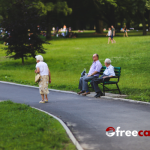
Beyond individual wellness, parks provide “Ecosystem Services” that protect entire populations. In the face of 2026’s record-breaking summer temperatures, parks act as critical “Cooling Centers.” Through the process of evapotranspiration and the provision of shade, large parks can mitigate the “Urban Heat Island” effect, which disproportionately affects elderly residents and those without air conditioning.
| Environmental Service | Health Outcome | Economic Benefit |
| Air Filtration | Reduced asthma & respiratory illness | Lower emergency room costs |
| Temperature Regulation | Prevention of heatstroke | Reduced energy demand |
| Stormwater Absorption | Reduced waterborne disease from runoff | Decreased infrastructure repair costs |
| Noise Reduction | Lower cortisol & improved sleep | Higher workplace productivity |
| Carbon Sequestration | Long-term climate stabilization | Impact Investing dividends |
Social Justice and the “Park Gap”
One of the most significant 2026 trends is the focus on “Park Equity.” Historically, neighborhoods with a higher proportion of low-income or minority residents have had access to 42% less park acreage than wealthier areas. This disparity directly translates into higher rates of obesity and heart disease.
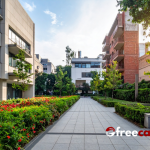
Closing this gap is a cornerstone of modern Social Justice. Cities are now utilizing “Resilience Audits” to identify “park deserts” and repurposing vacant lots into “Pocket Parks.” These smaller green spaces, as seen in recent Local Community Organizing efforts in Philadelphia and Albuquerque, have led to a marked decrease in resident stress levels and a 10% increase in daily physical activity.
The Social Glue: Parks and Community Cohesion
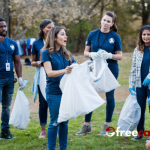
Public parks serve as “neutral ground” where social barriers are lowered. They are essential for Local Community Organizing, providing space for farmers’ markets, outdoor classes, and cultural festivals. This social interaction is a powerful antidote to the “loneliness epidemic” of the 2020s.
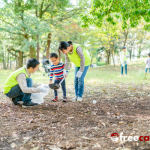
When people meet in parks, they build “Social Capital”—the trust and networks that make a community resilient during crises. This is also a great avenue for Youth Advocacy, as parks provide safe spaces for young people to engage in “Green Exercise” and learn about environmental stewardship.
The Economic Value of Green Spaces
From an Impact Investing perspective, parks are a “blue-chip” asset. For every dollar invested in park operations and programming, communities often see a three-fold return in healthcare savings and increased local business revenue. Many developers are now practicing Corporate Social Responsibility by donating land for public use, recognizing that “green premium” neighborhoods attract more stable, long-term residents.
FAQ: Frequently Asked Questions
Q1: What is “Green Social Prescribing”?
It is a formal referral from a healthcare provider to a nature-based program, such as a walking group or a community gardening project, to improve mental or physical health.
Q2: Do small “Pocket Parks” really help?
Yes. Research shows that even small patches of greenery in dense urban areas can significantly lower the local temperature and provide a necessary “mental reset” for passersby.
Q3: How do parks reduce crime?
Well-maintained parks encourage “positive loitering”—the presence of many neighbors in a public space. This increased visibility and community pride naturally discourage illicit activity.
Q4: What are “Sensory Gardens”?
These are specialized park areas designed with textured plants, aromatic herbs, and water features to provide a therapeutic experience for people with sensory processing disorders or dementia.
Q5: How can I find out the “Park Score” of my city?
The Trust for Public Land provides annual rankings of U.S. cities based on park access, investment, and acreage.
Conclusion: An Editorial Perspective
The Impact of Public Parks on Community Health is one of the few areas where Environmental Policy and Social Justice perfectly align. From our editorial perspective, a city without parks is not a city—it is a machine. To thrive in 2026, we must treat our green spaces with the same level of urgency and funding as our roads and hospitals.
We recommend that residents support local bond measures for park maintenance and participate in Volunteering and Mental Health programs like “Friends of the Park” groups. By investing in our public lands, we are investing in the very heart of our community’s health. The future is green, or it isn’t at all.